Friday, February 15, 2019

Ulnar Claw Hand, Causes, treament and Exercises


Ulnar hand (claw hand) 


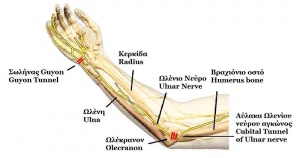
Ulnar nerve entrapment occurs when the ulnar nerve is compressed. This typically occurs at two main sites: the elbow and the wrist. Ulnar nerve entrapment at the elbow is usually at the cubital tunnel (Cubital Tunnel Syndrome). Ulnar nerve neuropathy at the elbow is the second most common entrapment neuropathy (the first most common is the median nerve at the wrist).[1] Ulnar nerve neuropathy less commonly occurs at Guyon’s canal in the wrist (Guyon’s canal syndrome/ulnar tunnel syndrome).

Causes


It develops due to a weakness of the deep muscles of your hand. To improve the strength of these muscles, you will need to work on gripping objects. This can be done with objects around the house. Start small with objects that can be easily held and squeezed with light resistance. Examples of these objects include stress balls and pillows. Then work your way up to a tennis ball. Squeeze these objects with two to three fingers at a time to improve the strength of each individual finger. Additionally it is always a good idea to see your doctor for follow-up evaluation and for possible referral to a certified athletic trainer who can outline a progression of exercises for you.

Exercise and its purpose Muscles:

Exercising to build muscle strength has many benefits. Core muscles provide stability to every movement, so a strong core is a must. Remember that your core is more than your stomach muscles -- it includes all the muscles that surround your spine, including your hips and mid to lower back. Strengthening these can help prevent low back pain and help you do all types of exercise with greater strength and ease.
 

Sunday, December 24, 2017

Physiotherapy Books


Saturday, August 29, 2015

Femur Anatomy and Attachments

The femur is also called the thigh bone and is the longest and strongest bone of the body. It is composed of upper end, lower end and a shaft.
The upper and bears a rounded head, whereas the lower end is widely expanded to from two large condyles. The head is directed medially. The cylindrical shaft is convex forwards.
femur bone

Upper end of Femur

The upper end of the femur includes the head, the neck, the greater trochanter, the lesser trochanter, the intertrochanteric line, and the intertrochanteric crest.
Upper End Femur

Head of Femur

Head articulates with acetabulum to form a hip joint. It is more than half a sphere, and is directed medially, upwards and slightly forwards.
Fovea is a roughened pit just below and behind the center of the head. Head, in its most part is covered by cartilage.

Neck of Femur

Neck is about is about 3-3.5 cms long and connects head with shaft. The neck forms an angle with shaft, known as neck shaft angle and is about 125 in adults [lesser in females]. The angle facilitates movements of the hip joint. Femoral neck is strengthened by a thickening of bone called the calcar femorale present along its concavity.
The neck has two borders and two surfaces
The upper border, concave and horizontal, meets the shaft at the greater trochanter. The lower border, straight and oblique, meets the shaft near the lesser trochanter.
The anterior surface is flat and meets the shaft at the interochanteric line. Anterior surface of femoral neck is entirely interacapsular. Upper part of this surface may be covered by articular cartilage.
The posterior surface is convex from above downwards and concave from side to side. It meets the shaft at the intertrochanteric crest. It is not intracapsular in its lower lateral part.
Antecersion is the angle formed between the transverse axis of the upper and lower ends of the femur. It is about 15 degrees.
Read more about anteversion

Greater Trochanter

Greater trochanter is a large quadrangular prominence located at the upper part of the junction of the neck with shaft. The upper border of the trochanter lies at the level of the center of the head.
The greater trochanter has an upper border with an apex, and 3 surfaces (anterior, medial and lateral). The apex is the inturned posterior part of the posterior border. The anterior surface is rough in its lateral part. The medial surface presents a rough impression, above and a deep trochanteric fossa, below. The lateral surface is crossed by an oblique ridge directed downwards and forwards.

Lesser Trochanter

It is a conical eminence directed medially and backwards from the junction of the posterior part of the neck with the shaft.

Intertrochanteric Line

It marks the junction of neck with the femur. It is a roughened ridge from anterosuperior angle of the greater trochanter (as a tubercle), and is continuous below with the spiral line in front of the lesser trochanter.
Spiral line is a curved line with its superior end adjacent to the lesser trochanter, nearly continuous with the intertrochanteric line, and converging inferiorly with the pectineal line to form the medial lip of the linea aspera.
It forms the medial boundary of the distal attachment of the iliacus muscle.The spiral line winds round the shaft below the lesser trochanter to reach the posterior surface of the shaft.

Intertrochanteric Crest

It marks the junction of the posterior surface of the neck with the shaft of the femur. It   is smooth rounded ridge which begins above at the posterior superior angle of the greater trochanter and ends at the lesser trochanter. The rounded elevation, a little above its middle is called the quadrate tubercle.

Shaft of Femur

The shaft is almost a cylindrical structure wide superiorly and inferiorly and narrowest in the middle. It is convex forwards and is directed obliquely downwards and medially.
Posterior-Surface-of-the-Shaft-of-the-Femur
Credit:Teach Me Anatomy
The shaft in middle one-third has three borders -medial, lateral and posterior. The medial and lateral borders are rounded and ill- defined, but the posterior border is in the form of a broad roughened ridge, called the linea aspera. Linea aspera is an important landmark in orthopedics surgeries involving reduction of femoral fractures.
The Linea aspera has distinct medial and lateral lips. The medial and lateral surfaces are directed more backwards than to sides.right-femur-anterior right-femur-posterior
The shaft possesses 3 surfaces as well – anterior, medial and lateral.
In upper on third of the shaft he two lips of the Linea aspera diverge wide to form an additional posterior surface and four borders (medial, lateral, spiral line and the lateral hip of the gluteal tuberosity) and 4 surfaces (anterior, medial, lateral and posterior).
The gluteal tuberosity is a broad roughened ridge on the lateral part of the posterior surface.
Similarly, the  two lips of the Linea aspera diverge in lower one third and enclose an additional, popliteal surface. Thus this part of the shaft has four border (medial, lateral, supracondylar line and lateral supracondylar line) 4 surfaces (anterior, medial, lateral and popliteal). The medial border and medial supracondylar line meet inferiorly to obliterate the medial surface.

Lower End of Femur

lower-end-femur
The lower end of the femur is wide and expanded. It has two large condyles –  medial and lateral. Anteriorly, the two condyles are united and are in a line with the front of the shaft. Posteriorly, they are separated by a deep gap, termed the interocondylar fossa or intercondylar notch, and project backwards much beyond the plane of the popliteal surface.
The lateral condyle is flat laterally, less prominent than medial condyle and stouter than it. It has a prominence  called the lateral epicondyle. Below it lies the popliteal groove with deeper anterior part and a shallower posterior part.
Medial condyle is  convex medially. It also bears a prominent point called the medial epicondyle. Adductor tubercle is a projection posterosuperior to the epicondyle which serves as an important landmark.  The epiphyseal line for the lower end of the femur passes through it.
Interondylar fossa or notch separates the lower and posterior parts of the two condyles. Intercondylar line separates notch from the popliteal surface. Anteriorly, the notch is limited by patellar articular surface.
The two condyles are partially covered by a large articular surface. Anteriorly, the condyles articulate with patella and this articualtion extends more on the lateral condyle than on the medial.Between the two condyles, the surface is grooved vertically.  Two faint grooves separate the patellar articualtion surface from tibial surfaces. Tibial articulation surface over the  lateral condyle is short and straight anteroposteriorly whereas the part over the medial condyle is longer and is convex medially.

Attachments on the Femur

Head of Femur

The fovea on the head of the femur provides attachment to the ligament of the head (round ligament, or ligamentum teres).

Greater Trochanter

  • The piriformis is inserted into the apex
  • The gluteus minimus is inserted into the rough lateral part of the anterior surface
  • The obturator internus and the two gemelli are inserted into the upper rough impression on the medial surface
  • The obturator externus is inserted into the trochanteric fossa
  • The gluteus medius is inserted into the ridge on the lateral surface.
  • The trochanteric bursa of the gluteus medius lies in front of the ridge, and the trochanteric bursa of the gluteus maximus lies behind the ridge.

Lesser Trochanter

  • The psoas major is inserted on the apex and medial part of the rough anterior surface.
  • The iliacus is inserted on the anterior surface of the base of the trochanter, and on the area below.
  • Gluteus minimus bursa lies deep to the upper horizontal fibrres of the adductor magnus.

Intertrochanteric Line

Following structures attach to intertrochanteric line
  • Capsular ligament of the hip joint
  • Iliofemoral ligament in its upper part
  • Lower band of the iliofemoral ligament in its lower part
  • Highest fibres of the vastus lateralis from the upper end
  • Highest fibres of the vastus medialis from the lower end
  • Quadratus femoris attached on quadrate tubercle

Shaft of Femur

  • The medial and popliteal surfaces are bare [ Except for part of gastrocnemius origin on the popliteal surface]
  • Vastus intermedius – upper three fourths of the anterior and lateral surfaces.
  • Articularis genu – just below the vastus intermedius.
  • Vastus lateralis –  upper part of the intertrochanteric line, anterior and inferior borders of the greater trochanter, the lateral lip of the gluteal tuberosity, and the upper half of the lateral lip of the line aspera.
  • Vastus medialis – Lower part of the intertrochanteric line, the spiral line, the medial lip of the linea aspera, and the upper one –fourth of the medial supracondylar line.
  • Gluteal tubersosity receives insertion of deeper fibres of the lower half of the gluteus maximus
  • Adductor longus  – Medial lip of the linea aspera between the vastus medialis and the adductor brevis and magnus
  • Adductor brevis is inserted into a line extending from the lesser trochanter to the upper part of the linea aspera, behind the pectineus and the upper part of the adductor longus.
  • Adductor magnus is inserted into the medial margin of the gluteal tuberosity, the linea aspera, the medial superacondylar line, and the adductor tubercle
  • Pectineus is inserted on a line extending from the lesser trochanter to the linea aspera.
  • Short head of the biceps femoris arises from the lateral lip of the linea aspera between the vastus lateralis and the adductor magnus, and from the upper two – thirds of the lateral superacondylar line
  • Medial and lateral intermuscular septa are attached to the lips of the linea aspera and to the supracondylar line. These septae  separate the extensor muscles from the adductor medially, and from the flexors laterally.  The lower end of the lateral supracondylar line gives origin to the plantaris above and the upper part of the lateral head of the gastrocnemius below.
  •  The popliteal surface is covered with fat and forms the floor of the popliteal fossa. Medial head of the gastrocnemius extends to the popliteal surface just above the medial condyle.

Lateral Condyle

  • Fibular collateral ligament of the knee attaches to the lateral epicondyle.
  • The popliteus aries from the deep anterior part of the popliteal groove. When the knee is flexed the tendon of this muscle lies in the shallow posterior part of the grove.
  • The muscular impression near the lateral epicondyle gives origin to the lateral head of the gastrocnemius.

Medial Condyle

  • Tibial collateral ligament of the knee – medial epicondyle
  • Hamstring part of the adductor magnus – adductor tubercle

Intercondylar Notch

  • Anterior cruciate ligament – posterior part of the medial surface of the lateral condyle.
  • The intercondylar line provides attachment to the capsular ligament and laterally to the oblique popliteal ligamemt.
  • The infrapatellar synovial fold is attached to the anterior border of the intercondylar fossa.
Following video summarizes the femoral bone

Ossification of Femur

One primary and four secondary centres.
ossifcation-femur
The primary centre for the shaft appears in the 7 week of intrauterine life.
The secondary centres appear as follows
  • Lower end of Femur – At end of the 9th month of intrauterine life
  • Head –  first six months of life
  • Greater trochanter – 4 years
  • Lesser trochanter  – 12 years
The upper apiphyses (lesser trochanter, greater trouchanter and head, in that order) fuse with the shaft at about 18 year. The lower epiphysis fuses by the 20th year.

Blood supply of Femur

  • The smaller, medial part of the head, near the fovea, is supplied by medial epiphyseal arteries derived from the posterior division of the obturator artery and from the ascending branch of the medial circumflex femoral artery. These arterial twigs enter the acetabular notch and then pass along the round ligament to reach the head.
  • The larger, lateral part of the head is supplied by lateral epiphyseal arteries which are derived from the retinacular branches of the medial circumflex femoral artery. This set constitutes the main supply and damage to it results in necrosis of the head of the following fractures of the neck of the femur. After epiphyseal fusion, the lateral epiphyseal arteries anastomose freely with the metaphyseal arteries.
  • The intracapsular neck is supplied by the retinacular arteries derived chiefly from the trochanteric anastomosis. The vessels produce longitudinal grooves and formina directed towards the head, mainly on the anterior and posterior- superior surface. The extracapsular part of the neck is supplied by the ascending branch of the medial circumflex femoral artery.
  • Nutrient artery to shaft of femur is  derived from the second perforating arteryThe nutrient foramen (or foramina) is located on the medial side on the linea aspera, and is directed upwards.
  • Lower end is supplied by genicular arteries and anastomosis around the knee

Significance of Femur


  • Femur is a common bone to be injured
  • Ossification of the lower end of the femur is of medicolegal importance. Presence of its centre in a newly born child found dead indicates that the child was  capable of independent existence.
  • Coxa valga is a condition where the femoral neck shaft angle is more than normal. ( 135 degrees)
  • Coxa vara is a condition where the neck shaft angle is less than normal (120 degrees)
What is a cast?

A cast holds a broken bone in place as it heals. Casts also help to prevent or decrease muscle contractions, and are effective at providing immobilization, especially after surgery.
Casts immobilize the joint above and the joint below the area that is to be kept straight and without motion. For example, a child with a forearm fracture will have a long arm cast to immobilize the wrist and elbow joints.

What are casts made of?

The outside, or hard part of the cast, is made from two different kinds of casting materials.
  • Plaster (white in color)
  • Fiberglass (comes in a variety of colors, patterns, and designs)
Cotton and other synthetic materials are used to line the inside of the cast to make it soft and to provide padding around bony areas, such as the wrist or elbow.
Special waterproof cast liners may be used under a fiberglass cast, allowing the child to get the cast wet. Consult your child's doctor for special cast care instructions for this type of cast.

What are the different types of casts?

Below is a description of the various types of casts, the location of the body they are applied, and their general function.
Type of cast
Location
Uses
Short arm cast
Applied below the elbow to the hand.
Forearm or wrist fractures. Also used to hold the forearm or wrist muscles and tendons in place after surgery.
Long arm cast
Applied from the upper arm to the hand.
Upper arm, elbow, or forearm fractures. Also used to hold the arm or elbow muscles and tendons in place after surgery.
Arm cylinder cast
Applied from the upper arm to the wrist.
To hold the elbow muscles and tendons in place after a dislocation or surgery.

Illustrations of arm casts, 3 types
Click Image to Enlarge

Type of cast
Location
Uses
Shoulder spica cast
Applied around the trunk of the body to the shoulder, arm, and hand.
Shoulder dislocations or after surgery on the shoulder area.
Minerva cast
Applied around the neck and trunk of the body.
After surgery on the neck or upper back area.
Short leg cast
Applied to the area below the knee to the foot.
Lower leg fractures, severe ankle sprains/strains, or fractures. Also used to hold the leg or foot muscles and tendons in place after surgery to allow healing.
Leg cylinder cast
Applied from the upper thigh to the ankle.
Knee, or lower leg fractures, knee dislocations, or after surgery on the leg or knee area.

Illustrations of leg casts, 3 types
Click Image to Enlarge

Type of cast
Location
Uses
Unilateral hip spica cast
Applied from the chest to the foot on one leg.
Thigh fractures. Also used to hold the hip or thigh muscles and tendons in place after surgery to allow healing.
One and one-half hip spica cast
Applied from the chest to the foot on one leg to the knee of the other leg. A bar is placed between both legs to keep the hips and legs immobilized.
Thigh fracture. Also used to hold the hip or thigh muscles and tendons in place after surgery to allow healing.
Bilateral long leg hip spica cast
Applied from the chest to the feet. A bar is placed between both legs to keep the hips and legs immobilized.
Pelvis, hip, or thigh fractures. Also used to hold the hip or thigh muscles and tendons in place after surgery to allow healing.

Illustrations of hip spica casts, 3 types
Click Image to Enlarge

Type of cast
Location
Uses
Short leg hip spica cast
Applied from the chest to the thighs or knees.
To hold the hip muscles and tendons in place after surgery to allow healing.

Illustration of child wearing a short leg hip spica cast
Click Image to Enlarge

Type of cast
Location
Uses
Abduction boot cast
Applied from the upper thighs to the feet. A bar is placed between both legs to keep the hips and legs immobilized.
To hold the hip muscles and tendons in place after surgery to allow healing.

Illustration of child wearing abduction boots
Click Image to Enlarge

How can my child move around while in a cast?

Assistive devices for children with casts include:
  • Crutches
  • Walkers
  • Wagons
  • Wheelchairs
  • Reclining wheelchairs

Cast care instructions

  • Keep the cast clean and dry.
  • Check for cracks or breaks in the cast.
  • Rough edges can be padded to protect the skin from scratches.
  • Do not scratch the skin under the cast by inserting objects inside the cast.
  • Can use a hairdryer placed on a cool setting to blow air under the cast and cool down the hot, itchy skin. Never blow warm or hot air into the cast.
  • Do not put powders or lotion inside the cast.
  • Cover the cast while your child is eating to prevent food spills and crumbs from entering the cast.
  • Prevent small toys or objects from being put inside the cast.
  • Elevate the cast above the level of the heart to decrease swelling.
  • Encourage your child to move his or her fingers or toes to promote circulation.
  • Do not use the abduction bar on the cast to lift or carry the child.
Older children with body casts may need to use a bedpan or urinal in order to go to the bathroom. Tips to keep body casts clean and dry and prevent skin irritation around the genital area include the following:
  • Use a diaper or sanitary napkin around the genital area to prevent leakage or splashing of urine.
  • Place toilet paper inside the bedpan to prevent urine from splashing onto the cast or bed.
  • Keep the genital area as clean and dry as possible to prevent skin irritation.

When to call your child's doctor

Contact your child's doctor or health care provider if your child develops one or more of the following symptoms:
  • Fever greater than 101° F (38.3° C)
  • Increased pain
  • Increased swelling above or below the cast
  • Complaints of numbness or tingling
  • Drainage or foul odor from the cast
  • Cool or cold fingers or toes

Wednesday, June 3, 2015

Changes in lumbar multifidus muscle function and nociceptive sensitivity in low back pain patient responders versus non-responders after dry needling treatment.

Abstract

BACKGROUND:

Little is known about the physiologic mechanism of dry needling. While some evidence suggests that dry needling may decrease nocioceptive sensitivity and facilitate muscle function, no studies to date have examined these physiologic changes compared to clinical outcomes.

OBJECTIVE:

To examine changes in lumbar multifidus (LM) muscle function and nociceptive sensitivity after dry needling in patients with LBP and to determine if such changes differ in patients that exhibit improved disability (responders) and those that do not (non-responders).

DESIGN:

Quasi-experimental study.

METHODS:

Sixty-six volunteers with mechanical LBP (38 men, age = 41.3 ± 9.2 years) completed the study. Ultrasound measurements and pain algometry of the LM were taken at baseline and repeated immediately following dry needling treatment to the LM muscles and after one week. The percent change in muscle thickness from rest to contraction was calculated for each time point to represent muscle function. Pressure pain threshold (PPT) was used to measure nociceptive sensitivity. Participants were dichotomized as responders and non-responders based on whether or not they experienced clinical improvement using the modified Oswestry Disability Index after one week. 2 × 3 mixed-model ANOVA were conducted for group (responders vs. non-responders) by time.

RESULTS:

Patient responders exhibited larger improvements in LM muscle contraction and nociceptive sensitivity 1 week, but not immediately, after dry needling than non-responders.

CONCLUSIONS:

Our results suggest that there may be lasting and clinically relevant sensorimotor changes that occur in LBP patients that improve with dry needling treatment that partially explain the physiologic mechanism of action.
Published by Elsevier Ltd.
Not much is known about the physiologic mechanism of dry needling. Although some evidence suggests that dry needling may decrease nocioceptive sensitivity and facilitate muscle function, no studies to date have examined these physiologic changes compared to clinical outcomes. The objective of this study was to examine changes in lumbar multifidus (LM) muscle function and nociceptive sensitivity after dry needling in patients with LBP and to determine if such changes vary in patients that exhibit improved disability (responders) and those that do not (non-responders). Patient responders showed greater improvements in LM muscle contraction and nociceptive sensitivity 1 week, but not immediately, after dry needling than non-responders.
These results indicate that there may be lasting and clinically relevant sensorimotor changes that occur in LBP patients that improve with dry needling treatment that partially account for the physiologic mechanism of action.
- See more at: http://www.physiospot.com/research/changes-in-lumbar-multifidus-muscle-function-and-nociceptive-sensitivity-in-low-back-pain-patient-responders-versus-non-responders-after-dry-needling-treatment/#sthash.pKUQYJeG.dpuf
Not much is known about the physiologic mechanism of dry needling. Although some evidence suggests that dry needling may decrease nocioceptive sensitivity and facilitate muscle function, no studies to date have examined these physiologic changes compared to clinical outcomes. The objective of this study was to examine changes in lumbar multifidus (LM) muscle function and nociceptive sensitivity after dry needling in patients with LBP and to determine if such changes vary in patients that exhibit improved disability (responders) and those that do not (non-responders). Patient responders showed greater improvements in LM muscle contraction and nociceptive sensitivity 1 week, but not immediately, after dry needling than non-responders.
These results indicate that there may be lasting and clinically relevant sensorimotor changes that occur in LBP patients that improve with dry needling treatment that partially account for the physiologic mechanism of action.
- See more at: http://www.physiospot.com/research/changes-in-lumbar-multifidus-muscle-function-and-nociceptive-sensitivity-in-low-back-pain-patient-responders-versus-non-responders-after-dry-needling-treatment/#sthash.pKUQYJeG.dpuf
Not much is known about the physiologic mechanism of dry needling. Although some evidence suggests that dry needling may decrease nocioceptive sensitivity and facilitate muscle function, no studies to date have examined these physiologic changes compared to clinical outcomes. The objective of this study was to examine changes in lumbar multifidus (LM) muscle function and nociceptive sensitivity after dry needling in patients with LBP and to determine if such changes vary in patients that exhibit improved disability (responders) and those that do not (non-responders). Patient responders showed greater improvements in LM muscle contraction and nociceptive sensitivity 1 week, but not immediately, after dry needling than non-responders.
These results indicate that there may be lasting and clinically relevant sensorimotor changes that occur in LBP patients that improve with dry needling treatment that partially account for the physiologic mechanism of action.
- See more at: http://www.physiospot.com/research/changes-in-lumbar-multifidus-muscle-function-and-nociceptive-sensitivity-in-low-back-pain-patient-responders-versus-non-responders-after-dry-needling-treatment/#sthash.pKUQYJeG.dpuf

Topical Pain Relief: Creams, Gels, and Rubs

When your joints are painful or your muscles ache, topical pain killers -- those you apply to your skin -- may offer relief. You'll find many products for topical pain relief at your local drugstore.
Here are some popular options and what you need to know if you'd like to give them a try.

Analgesic Creams, Rubs, and Sprays

Topical pain killers, or analgesics, are sprayed on or rubbed into the skin over painful muscles or joints. Although are all designed to relieve pain, different products use different ingredients. Here are the most common ingredients found in products available without a prescription.
  • Counterirritants. Ingredients such as menthol, methylsalicylate, and camphor are called counterirritants because they create a burning or cooling sensation that distracts your mind from the pain.
  • Salicylates. These same ingredients that give aspirin its pain-relieving quality are found in some creams. When absorbed into the skin, they may help with pain, particularly in joints close to the skin, such as the fingers, knees, and elbows.
  • Capsaicin. The main ingredient of hot chili peppers, capsaicin is also one of the most effective ingredients for topical pain relief. When first applied, capsaicin creams cause a warm tingling or burning sensation. This gets better over time. You may need to apply these creams for a few days up to a couple of weeks before you notice relief from pain.
Not everyone will have good pain relief from these preparations, and capsaicin in particular may not help with osteoarthritis pain.
Here's what you need to know to get the greatest effects and minimize the risks of these products:
  • Read the package insert and follow directions carefully. If there is an insert, save it to refer to later.
  • Never apply them to wounds or damaged skin.
  • Do not use them along with a heating pad, because it could cause burns.
  • Do not use under a tight bandage.
  • Wash your hands well after using them. Avoid touching your eyes with the product on your hands.
  • If you are allergic to aspirin or are taking blood thinners, check with your doctor before using topical medications that contain salicylates

Soothe Your Aching Back

Thursday, November 14, 2013

Geriatric Physical Therapy - Facts and Information

Common Pathologies

Conditions treated through geriatric physical therapy are osteoporosis, arthritis, Alzheimer disease, cancer, joint replacement, hip replacement, and more.

 History

Geriatric physical therapy was defined as a medical specialty in 1989 and covers a broad area of concerns regarding people as they continue the process of aging, although it commonly focuses on older adults. 
Among the conditions that may be treated through the use of geriatric physical therapy are osteoporosis, arthritis, alzheimer's disease, cancer, joint replacement, hip replacement, and more. The form of therapy is used in order to restore mobility, increase fitness levels, reduce pain, and to provide additional benefits.

Falling is one of the greatest risks older adults face, often leading to things such as hip fractures which then lead to a downward health spiral. In fact, falling is such an issue among older adults that the Center for Disease Control and Prevention has reported that one-third of all people over the age of sixty-five fall every year, making falls the leading cause of injury among people from this age group. Hundreds of thousands of older adults experience falls and resulting hip fractures every year, with resulting hospitalizations. Most of the people who experience a hip fracture stay in the hospital for a minimum of one week, with approximately twenty-percent dying within a year due to the injury. Unfortunately, a number of the remaining eighty-percent do not return to their previous level of functioning. Physical therapy can help older adults to remain both strong and independent, as well as productive.

Forms of Geriatric Physical Therapy

  1. Exercise: Exercise is defined as any form of physical activity that is beyond what the person does while performing their daily tasks. Exercise is something that is designed to both maintain and improve a person’s coordination, muscle strength, flexibility and physical endurance, as well as their balance. It is meant to increase their mobility and lessen their chance of injury through falling. Exercise in relation to geriatric therapy might include activities such as stretching, walking, weight lifting, aquatic therapy, and specific exercises that are geared towards a particular injury or limitation. A physical therapist works with the person, teaching them to exercise on their own, so they may continue their exercise program at home
  2. Manual Therapy: Manual therapy is applied with the goals of improving the person’s circulation and restoring mobility they may have lost due to an injury or lack of use. This form of therapy is also used to reduce pain. Manual therapy can include manipulation of the person’s joints and muscles, as well as massage.
  3. Education: Education is important to the success and effectiveness of geriatric physical therapy. People are taught ways of performing daily tasks safely. Physical therapists also teach people how to use assistive devices, as well as how to protect themselves from further injury. Older adults can utilize physical therapy as a means for regaining their independence. Physical therapy can help seniors to feel better, as well as to enjoy a higher quality of life. 
  4. Physical Therapists: Physical therapists provide people with a variety of services. They work with people individually, evaluating their physical capabilities and designing specific programs of exercise, education and wellness for them. Physical therapists also work with other health care providers to coordinate the person’s care.
  5. Physical therapists must have completed their coursework in the biological, medical, psychological and physical sciences. They must have graduated from an accredited education program, and have completed a bachelors, masters, or doctoral degree with specialty clinical experience in physical therapy. Many physical therapists choose to seek additional expertise in clinical specialties, although every physical therapist must meet licensure requirements in their state.
  6. The potential for age-related bodily changes to be misunderstood can lead to limitations of daily activities. The usual process of aging does not need to result in pain, or decreased physical mobility. A physical therapist can be a source of information for understanding changes in the body, they can offer assistance for regaining lost abilities, or for development of new ones. A physical therapist can work with older adults to help them understand the physiological and anatomical changes that occur with the aging process.
  7. Physical therapists evaluate and develop specifically designed, therapeutic exercise programs. Physical therapy intervention can prevent life-long disability, restoring the person's level of functioning to its highest level. A physical therapist uses things such as treatments with modalities, exercises, educational information, and screening programs to accomplish a number of goals with the person they are working with, such as:
  8. * Reduce pain
    * Improve sensation, joint proprioception
    * Increase overall fitness through exercise programs
    * Suggest assistive devices to promote independence
    * Recommend adaptations to make the person’s home accessible and safe
    * Prevent further decline in functional abilities through education, energy conservation techniques, joint protection
    * Increase, restore or maintain range of motion, physical strength, flexibility, coordination, balance and endurance
    * Teach positioning, transfers, and walking skills to promote maximum function and independence within the person’s capability

Saturday, September 28, 2013

Making sense of Ventilator


When you care for a ventilated patient, work closely with the respiratory therapist, who is responsible for maintaining the equipment and is an expert in its use. With today's sophisticated machines, what seems like a simple change may actually require multiple adjustments to optimize the settings for a particular patient.When a patient is put on a ventilator, numerous settings, including respiratory rate, fraction of inspired oxygen (FiO2), volume or pressure control, and ventilator mode, must be selected. In addition, two adjuncts—PEEP and pressure support—are sometimes used, depending on the patient's status and which ventilation mode is chosen. To properly care for your patient, it's important to understand each of these settings.Respiratory rate: This setting simply refers to the number of breaths per minute that the ventilator delivers. Eight to 12 bpm is a typical respiratory rate.3 Depending on the mode selected, the ventilator can provide all of the patient's ventilation, or the patient may be able to breathe spontaneously be tween ventilator breaths.

  1. FiO2: This indicates the amount of oxygen the ventilator delivers, expressed as a percentage or a number between zero and one. FiO2 varies widely depending on the patient's condition; room air is 21% (0.21). While some patients might be adequately oxygenated with an FiO2 of less than 40% (0.40), someone with severe hypoxemia, for example, might need an initial FiO2 setting of 100% (1.00).2 Arterial blood gases and pulse oximetry values will help determine FiO2 settings.
  2. Volume control: Traditionally, mechanical ventilation is volume controlled. This setting means the ventilator is programmed to deliver a preset volume of oxygen and air, called the tidal volume (VT), regardless of the amount of pressure required to deliver the volume (a positive pressure alarm protects patients from dangerously high pressures).
  3. Pressure control: An alternative to volume control that's indicated for some patients, pressure control simply means that pressure is the endpoint rather than volume. Thus, inspiration ends when a preset pressure is reached, regardless of the volume delivered. The advantage of this mode is that it allows the volume to change in response to intrathoracic pressure. The goal is to increase mean airway pressure by prolonging inspiration, ideally recruiting more alveoli than volume control ventilation. By limiting pressure, there is less risk of pressure-related injury.
  4. Pressure-regulated volume control (PRVC): This type of mechanical ventilation is an alternative to strict pressure control, representing an attempt to obtain the best of both volume and pressure control. PRVC adapts to changing compliance of the lungs to adjust inspiratory time and pressure to maintain a preset tidal volume.
  5. Assist control (AC): In this mode, the ventilator supports every breath, whether it's initiated by the patient or the ventilator.3 AC is often used to allow the patient to rest, because the ventilator does all the work. This high level of respiratory support is frequently required in patients who have been resuscitated, have acute respiratory distress syndrome (ARDS), or are paralyzed or sedated. Because AC mode results in the highest level of positive pressure in the chest, it increases the risk of barotrauma to the lungs. Anxious patients who frequently trigger the ventilator can easily hyperventilate.
  6. Synchronized intermittent mandatory ventilation (SIMV): In this mode, not all spontaneous breaths are assisted, leaving the patient to draw some breaths on her own. For example, if your patient's ventilator is set on SIMV mode with a respiratory rate of 10 bpm, she will receive a breath roughly once every six seconds. She can also breathe on her own in between the machine-assisted breaths.

There are several advantages to this mode for patients who can tolerate it. SIMV helps preserve the strength of the respiratory musculature, decreases the risk of hyperventilation and barotrauma, and facilitates weaning. Weaning can be done by gradually decreasing the percentage of machine-assist ventilation.Patients who need short-term ventilation benefit most from SIMV, but the choice of mode should be an individual decision based on the patient's condition and tolerance.3 No one method is best for all patients.2Positive end-expiratory pressure (PEEP): PEEP can be used to increase oxygenation in either AC or SIMV mode. The effect of PEEP on the lungs is similar to blowing up a balloon and not letting it completely deflate before blowing it up again. Most patients are started on 5 cm H2O of PEEP.3 Some patients, such as those with ARDS or other conditions that make lungs stiff, require higher levels of PEEP to keep alveoli from collapsing and to decrease intrapulmonary shunting. It's not unusual to use 8 - 12 cm H2O in these patients. But PEEP should not exceed 20 cm H2O; higher settings increase the risk of severe lung damage, subcutaneous emphysema, and pneumothorax.Pressure support: Used alone or added to SIMV, this provides a small amount of pressure during inspiration to help the patient draw in a spontaneous breath. Pressure support makes it easier for the patient to overcome the resistance of the ET tube and is often used during weaning because it reduces the work of breathing. It's not necessary during AC ventilation because in that setting, the ventilator supports all of the breaths.Responding to an alarmSince a ventilator is, in effect, merely an air pump, an alarm simply signals that there's something wrong with the pressure, volume, or rate of air being delivered. When an alarm sounds, your role is to immediately check the patient and the equipment and figure out—and fix—what's interfering with the function of the ventilator. If you can't immediately identify the problem, disconnect the patient from the ventilator, use a manual resuscitation bag, and call for help. Often, the problem is related to the tubing.A high-pressure alarm is the one you're most likely to hear. At worst, this alarm indicates that your patient's airway is blocked and she's no longer being ventilated or that she has a tension pneumothorax. While it's far more likely that coughing triggered the alarm, you can never assume that a high-pressure alarm went off because your patient coughed—always assess the airway! If a cough triggers the alarm, the ventilator will reset itself after a few short breaths.A simple way to determine airway patency is to disconnect the ventilator and ventilate your patient with a manual resuscitation bag. If the airway is obstructed, you'll feel it immediately and take steps to clear it by suctioning or re-intubating the patient.The low-pressure alarm and low exhaled tidal volume alarms are common, as well. These alarms indicate that either the ventilator did not reach the pressure it expected or that some of the air it delivered was not exhaled back into the tubing for measurement. Your response should be to look for disconnected tubing or an air leak. The most common places for leaks are around the ET tube cuff, poorly secured connections, and drainage and access ports on the tubing.A high respiratory rate alarm can signal a change in your patient's condition, such as heightened anxiety, awakening from sedation, or pain. More commonly, though, water or kinks in the tubing trigger this alarm because air is pulsing through the tubing around the obstruction. Your response: Check the tubing and eliminate any water or kinks—and assess the status of your patient.Finally, an apnea alarm may sound, possibly signaling that your patient has stopped breathing. Disconnected tubing, however, is a more likely cause of an apnea alarm. The most common place for the tubing to become disconnected is where it attaches to the ET or tracheostomy tube. Again, check the tubing and reconnect it, if necessary.Vigilance wards off complicationsInfection, atelectasis, barotrauma, and oxygen toxicity are all potential complications of mechanical ventilation. Good pulmonary hygiene as well as careful attention to the ventilator settings are the key to avoiding them.Infection is a potential problem because intubation bypasses the primary mechanisms that prevent bacteria from getting into the lungs. Normally, the oral pharynx washes away bacteria with saliva, and normal flora compete with bacteria in the mouth. But a patient who's mechanically ventilated doesn't eat and may be on systemic antibiotics that suppress the flora; the absence of flora—and decreased salivary flow—predisposes her to infection. Bacteria around the ET tube cuff that get aspirated when the tubing is moved or the patient coughs can lead to pneumonia.To lower the incidence of ventilator-associated pneumonia, the Institute for Healthcare Improvement recommends implementing the ventilator bundle, a series of interventions related to ventilator care that, when implemented together, achieve better outcomes than when implemented individually. 


The four components of the ventilator bundle are: elevation of the head of the bed to 30 - 45 degrees; daily "sedation vacations" and assessment of readiness to extubate; peptic ulcer disease prophylaxis; and deep venous thrombosis prophylaxis.

 Good mouth care and cleaning of Yankauer suction devices can also decrease the incidence of infections.


Atelectasis, which is collapse of the alveoli, is a risk of positive pressure ventilation because air pushed in under positive pressure is not evenly distributed throughout the lungs. Good pulmonary hygiene and regular repositioning can help prevent atelectasis, along with the administration of PEEP to those who need it. Assess your patient's breath sounds at least once every four hours, and suction secretions as necessary.Barotrauma (lung damage caused by high airway pressure) and volutrauma (damage caused by too much volume in the lungs) are closely related. Typically, lung damage is caused by a combination of both. It is important to monitor your patient for subcutaneous emphysema, which is an early warning sign of extrapulmonary air, and decreased breath or heart sounds, which could indicate pneumothorax or pneumomediastinum.Oxygen toxicity is another potential complication, a possible result of maintaining a high FiO2 for too long. At high concentrations, oxygen is converted into oxygen-free radicals that can cause lung damage. Although the symptoms of oxygen toxicity may be difficult to recognize in a patient on a ventilator, they include fatigue, lethargy, weakness, restlessness, nausea, vomiting, anorexia, coughing, and dyspnea, followed by refractory hypoxemia and cyanosis.1 To avoid this complication, administer the lowest FiO2 that produces an oxygen saturation greater than 90% and a PaO2 greater than 60 mm Hg.3 But never compromise a patient's oxygenation out of fear of oxygen toxicity.Finally, remember that for many patients, the point of mechanical ventilation is to get the patient "over the hump" of acute illness, after which ventilatory support should be rapidly withdrawn. Consider, for instance, the way that Ms. Warner's treatment progressed:After being intubated, she received mechanical ventilation in AC mode with light sedation and was started on antibiotic therapy for her respiratory infection. After 36 hours, she was switched to SIMV mode and then weaned off the ventilator. She went on to recover fully, with ongoing care for her COPD provided by her personal physician.As was true for Ms. Warner, mechanical ventilation can save your patient's life. Knowing how to prevent complications and troubleshoot, as needed, will help you ensure your patient's safety until ventilatory support can be successfully


Sunday, July 7, 2013

Physiotherapy

Physical therapy (or physiotherapy), often abbreviated PT, is a health care profession primarilyconcerned with the remediation of impairments and disabilities and the promotion of mobility, functional ability, quality of life and movement potential through examination, evaluation, diagnosis and physical intervention carried out byphysical therapists (known as physiotherapists in most countries) and physical therapist assistants(known as physical rehabilitation therapists orphysiotherapy assistants in some countries). In addition to clinical practice, other activities encompassed in the physical therapy profession include research, education, consultation, and administration. Definitions and licensing requirements in the United States vary among jurisdictions, as each state has enacted its own physical therapy practice act defining the profession within its jurisdiction, but the American Physical Therapy Association (APTA) has also drafted a model definition in order to limit this variation, and the APTA is also responsible for accrediting physical therapy educationcurricula throughout the United States of America. In many settings, physical therapy services may be provided alongside, or in conjunction with, other medicalor rehabilitation services. 


PTs are healthcare professionals who diagnose and treat individuals of all ages, from newborns to the very oldest, who have medical problems or other health-related conditions, illnesses, or injuries that limit their abilities to move and perform functional activities as well as they would like in their daily lives. PTs use an individual's history and physical examination to arrive at a diagnosis and establish a management plan and, when necessary, incorporate the results of laboratory and imaging studies. Electrodiagnostic testing (e.g., electromyograms and nerve conduction velocity testing) may also be of assistance. PT management commonly includes prescription of or assistance with specific exercises, manual therapy, education, manipulation and other interventions. In addition, PTs work with individuals to prevent the loss of mobility before it occurs by developing fitness and wellness-oriented programs for healthier and more active lifestyles, providing services to individuals and populations to develop, maintain and restore maximum movement and functional ability throughout the lifespan. This includes providing services in circumstances where movement and function are threatened by aging, injury, disease or environmental factors. Functional movement is central to what it means to be healthy.Physical therapy has many specialties including sports, wound care, EMG, cardiopulmonary,geriatrics, neurologic, orthopaedic and pediatrics. PTs practice in many settings, such as outpatient clinics or offices, health and wellness clinics, rehabilitation hospitals facilities, skilled nursing facilities, extended care facilities, private homes, education and research centers, schools, hospices, industrial and this workplaces or other occupational environments, fitness centers and sports training facilities.

Physical therapists also practice in non-patient care roles such as health policy, health insurance, health care administration and as health care executives. Physical therapists are involved in the medical-legal field serving as experts, performing peer review and independent medical examinations.Education qualifications vary greatly by country. The span of education ranges from some countries having little formal education to others having doctoral degrees and post doctoral residencies and fellowships.